


| Issue |
Wuhan Univ. J. Nat. Sci.
Volume 31, Number 2, April 2026
|
|
|---|---|---|
| Page(s) | 166 - 184 | |
| DOI | https://doi.org/10.1051/wujns/2026312166 | |
| Published online | 13 May 2026 | |
Biomedicine
CLC number: TQ925
Advances in Nattokinase Research: Therapeutic Potential and Applications
纳豆激酶的研究进展:治疗潜力及应用
1
College of Traditional Chinese Medicine, Jiangxi University of Chinese Medicine, Nanchang 330004, Jiangxi, China
(江西中医药大学 中医学院,江西 南昌 330004)
2
Nanchang Hongdu Hospital of TCM Affiliated to Jiangxi University of Chinese Medicine, Nanchang 330008, Jiangxi, China
(江西中医药大学附属南昌洪都中医医院,江西 南昌 330008)
3
State Key Laboratory of Southwestern Chinese Medicine Resources, School of Pharmacy, Chengdu University of Traditional Chinese Medicine, Chengdu 611137, Sichuan, China
(成都中医药大学 药学院西南中药资源国家重点实验室,四川 成都 611137)
4
Jiangxi Fangzhu Pharmaceutical CO., Ltd, Xinyu 338000, Jiangxi, China
(江西省方竹药业有限公司,江西 新余 338000)
† Corresponding author. E-mail: This email address is being protected from spambots. You need JavaScript enabled to view it.
; This email address is being protected from spambots. You need JavaScript enabled to view it.
; This email address is being protected from spambots. You need JavaScript enabled to view it.
Received:
26
February
2025
Abstract
The increasing prevalence of cardiovascular and cerebrovascular diseases in recent years has brought thrombolytic drugs into the focus of researchers, drug makers, and the general public alike. Nattokinase (NK), an alkaline serine protease secreted by Bacillus subtilis natto, exhibits strong thrombolytic activity, reduces blood viscosity, and enhances blood vessel elasticity. With its advantages of high stability, good absorption, long half-life, low cost and fewer side effects, it is considered an ideal natural medicine for preventing and treating blood clots, with promising potential in the field of health food development. This review systematically summarizes research on nattokinase relating to its physicochemical properties, thrombolytic and anticoagulant mechanisms, physiological function, fermentation technology, activity determination, and isolation and purification methods, as well as the latest research on the targeted delivery system of nattokinase. Furthermore, we elaborate on the key future research directions of NK, involving strain optimization, purification technology upgrade, targeted delivery improvement and clinical application verification, in order to provide theoretical support for in-depth research in this field and its application.
摘要
近年来,心脑血管疾病的患病率不断上升,溶栓药物成为研究人员、制药企业和公众关注的焦点。纳豆激酶是纳豆枯草芽孢杆菌分泌的一种碱性丝氨酸蛋白酶,具有很强的溶栓活性,能够降低血液粘度,增强血管弹性。研究表明,该酶具有稳定性好,易吸收,半衰期长,副作用小,且成本低的特点,这些特性使其成为防治血栓形成的天然理想药物,同时在保健食品开发领域具有广阔的应用前景。本文系统综述了纳豆激酶的理化性质、溶栓抗凝机制、生理功能、发酵技术、活性测定、分离纯化方法以及最新的靶向递送系统研究,同时阐述了其菌株优化、纯化技术升级、靶向递送改进与临床应用验证等核心未来研究方向,以期为该领域的深入研究和应用提供理论支持。
Key words: nattokinase (NK) / physicochemical property / thrombolytic mechanism / fermentation technology / separation and purification / targeted delivery systems
关键字 : 纳豆激酶 / 理化性质 / 溶栓机理 / 发酵技术 / 分离纯化 / 靶向递送系统
Cite this article:LI Mei, WANG Panpan, CHENG Mengxue, et al. Advances in Nattokinase Research: Therapeutic Potential and Applications[J]. Wuhan Univ J of Nat Sci, 2026, 31(2): 166-184.
Biography: LI Mei, female, Master candidate, research direction: TCM for cardiovascular disease prevention and treatment. E-mail: This email address is being protected from spambots. You need JavaScript enabled to view it.
Foundation item: Supported by the National Natural Science Foundation of China (82060699); Project of Jiangxi Natural Science Foundation (20242BAB26173, 20232BAB206161, 20224BAB206103, 20192ACBL21032 and S2025KJCG7170189); Innovation and Entrepreneurship Project (JZYC23S03, 202410412294, 202410412045 and XJ-S202417); and First Level Discipline of Integrated Traditional Chinese and Western Medicine at Jiangxi University of Chinese Medicine (zxyylxk20220103)
© Wuhan University 2026
 This is an Open Access article distributed under the terms of the Creative Commons Attribution License (https://creativecommons.org/licenses/by/4.0), which permits unrestricted use, distribution, and reproduction in any medium, provided the original work is properly cited.
0 Introduction
Natto is a traditional fermented food that originated in ancient China. It was then introduced to Japan and has since developed into a distinctive Japanese-style natto due to the influence of the local environment. Fermented by Bacillus subtilis from soybeans, natto is not only a staple of Japanese cuisine but is also regarded as a "secret recipe" contributing to longevity in Japan. Consumed for over 1 000 years[1], natto is known for its unique taste, nutritional value, and health-promoting properties. In addition to its dietary use, natto has long been recognized for its medicinal benefits in folk medicine. Multiple studies have reported pharmacological effects of natto, and its regular consumption plays a role in healthcare and disease prevention[2]. Natto and its extracts were systematically studied in Japan by Sumi et al[3], who added the enzyme extract to fibrin plates and observed a significant thrombolytic effect. They identified the enzyme as a kinase with thrombolytic activity. This enzyme, produced by Bacillus natto or Bacillus subtilis natto, belongs to the group of alkaline serine proteases and was later formally named nattokinase (NK). Given its potent thrombolytic activity, NK has become a promising therapeutic agent for cardiovascular diseases, particularly those associated with thrombus formation.
Recent changes in diet, with increased meat and fat consumption and reduced intake of fiber, fruits, and vegetables, have led to higher prevalence of chronic diseases such as cardiovascular disease, obesity, and diabetes[4]. In particular, cardiovascular diseases have become the leading cause of human mortality worldwide[5], primarily due to the formation of intracardiovascular thrombi. Thrombolytic treatments are the key therapeutic strategy for such diseases; therefore, the development of thrombolytic drugs has become a hot topic in recent years.
Currently, the most commonly used thrombolytic drugs in clinical practice are streptokinase (SK), urokinase (UK), and tissue-type plasminogen activator (t-PA). However, these drugs have some limitations. The thrombolytic enzymes t-PA and UK have poor specificity and often cause bleeding and other side effects. In contrast, NK is safer and has few serious side effects[6]. In addition, regarding the mode of administration and application scenarios, NK has obvious advantages: it can be administered orally and directly absorbed into the blood circulation through the small intestine[7]. This facilitates its long-term use—and overcomes the limitation of traditional thrombolytic drugs, which are only suitable for emergency treatment—and supports its therapeutic role in disease prevention. In contrast, the traditional drugs SK and UK are usually injected intravenously and have a short half-life, resulting in a short-term therapeutic effect. In terms of production process, t-PA mainly requires large-scale cultivation of mammalian cells for production, which has disadvantages such as being expensive and having low yields and insufficient concentration, resulting in it being expensive and aggravating the economic burden on requiring patients; meanwhile, NK is prepared using fermentation technology with soybeans as the raw material, and its cost of production is significantly lower than that of traditional drugs. Thus, NK has significant advantages over traditional thrombolytic drugs in terms of safety, ease of administration, and economical benefits.
However, NK also has limitations. Its efficacy is not as fast as that of traditional drugs and it is mainly used in clinical practice for prophylaxis or subacute adjuvant therapy. Further, most of the traditional thrombolytic drugs have been validated in large-scale clinical trials and are known to be effective, whereas most existing studies on NK were small-scale animal experiments; therefore, clinical data regarding the efficacy of NK are relatively lacking.
Nevertheless, NK has broad therapeutic potential and application prospects as an important active substance for the treatment of thrombotic diseases. Therefore, this review presents the existing research on the physicochemical properties, thrombolytic and anticoagulant mechanisms, physiological functions, fermentation technology, activity, and isolation and purification methods of NK, as well as the latest research on targeted delivery systems for NK. We also provide prospective analysis of the future directions for research on NK, in order to provide theoretical support for in-depth research and the application of NK.
1 Physicochemical Properties
NK is an alkaline serine protease produced by Bacillus subtilis. It consists of a single-chain polypeptide with no intramolecular disulfide bonds and good water solubility. In its solid state, NK appears light yellow or white, with a significant absorption peak at 280 nm. Based on the determined DNA sequence, NK is a single-chain polypeptide made up of 275 amino acid residues, with a molecular weight of 27 728 Da[8]. The enzyme has an alanine N-terminus and an isoelectric point pH of 8.6 ± 0.3. Its primary structure differs significantly from other fibrinolytic enzymes such as urokinase and streptokinase; however, they all share a similar fibrinolytic mechanism of action. The active sites of NK are Asp32, His64, and Ser221, while the substrate-binding sites include Ser125, Leu126, and Gly127[9].
Several factors affect NK stability, including temperature, pH, metal ions, and organic compounds. NK has high thermal stability, and its enzyme activity is relatively stable in the range of 25 ℃-45 ℃. When the temperature reached 50 ℃, the enzyme activity gradually decreased. Once the temperature exceeds 60 ℃, the enzyme is rapidly inactivated. However, low temperature and repeated freezing and thawing did not significantly affect its activity[10]. At room temperature, NK exhibits relatively high stability at pH 6-11[11], with the best stability at pH 7-8. This indicates that the enzyme is relatively more stable in alkaline environments[12]. With regard to metal ions, Mg2+, Na+, and Ca2+ activate NK, whereas Fe2+, Zn2+, Cu2+, Ba2+, Al3+, and Mn2+ inhibit it, with Fe2+ and Al3+ being the strongest inhibitors[13]. Regarding organic compounds, glycerol, propylene glycol, bovine serum protein, gelatin, and sodium alginate improve thermal stability of NK[14]. Inaddition, pepstatin A and leupeptin have a slight inhibitory effect on NK, whereas the protease inhibitor phenylmethylsulfonyl fluoride (PMSF) fully inhibits NK[12]. NK is also substrate-specific, with the nitroaniline chromogenic substrate S-7388 (Suc-Ala-Ala-Pro-Phe-pNA) being the most sensitive to NK[15]. Additionally, NK also hydrolyzes the fibrinolytic enzyme substrate S-2251 (H-D-Val-Leu-Lys-pNA), the kinin-releasing enzyme substrate S-2302 (H-D-Pro-Phe-Arg-pNA), and the thrombin substrate S-2238 (H-D-Phe-Pie-Pip-Arg-pNA). However, the elastase substrate S-2484 (pyro-Glu-Pro-Val-pNA) and the urokinase substrate S-2444 (pyro-Glu-Gly-Arg-pNA) are reported to be ineffective, suggesting that NK has specific protein hydrolysis and recognition sites[15].
2 Thrombolytic and Anticoagulant Mechanisms of NK
Thrombosis is a pathological process wherein blood in the heart or blood vessels changes from a liquid state to a solid gel; its core mechanism is closely related to platelet activation and a coagulation cascade triggered by endothelial damage in blood vessels (Fig. 1). After damage to the vascular endothelium occurs, subendothelial collagen fibers are exposed, triggering the activation of glycoprotein receptors on the platelet surface, prompting platelets to adhere to the site of injury and release adenosine diphosphate (ADP), thromboxane A2 (TXA2), and other reactive substances, which induce platelet aggregation[16]. The coagulation system simultaneously initiates the coagulation cascade reaction consisting of three interrelated pathways: the endogenous, exogenous, and common pathways[17]. In this situation, activation of the endogenous pathway occurs due to the activation of factor Ⅻ by collagen exposure, which sequentially activates factors Ⅺ, Ⅸ, and ultimately factor Ⅹ through a cascade reaction[18]. The exogenous pathway is activated by the release of tissue factors (TFs) followed by binding to factor Ⅶ and activation of factor X. In the common pathway, the activation of factor X sequentially activates factors V and Ⅱ, ultimately leading to the conversion of fibrinogen (I) to fibrin and the formation of a stable thrombus network[18]. Eventually, aggregated platelets and the interwoven fibrin network work together to form a thrombus.
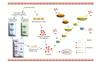 |
Fig. 1 Thrombus formation process and NK thrombolytic mechanism |
As the core structure of thrombus is insoluble fibrin encapsulated platelets and blood cells[19], the fibrinolytic effects of thrombolytic drugs are crucial for their therapeutic efficacy. Effective thrombolytic agents such as plasminase can break down fibrin clots in the thrombus. Compared to fibrinolytic enzymes, NK has a more pronounced thrombolytic effect, higher efficiency, longer duration of action, and fewer side effects. Its fibrinolytic activity is approximately four to five times more potent than that of fibrinolytic enzymes in clot lysis assays[20].
NK, as a serine protease, is capable of high-quality thrombolysis, and its thrombolytic effect is achieved through a combination of mechanisms (Fig. 1). First, although it cannot directly hydrolyze plasma fibrinogen, it can act directly on cross-linked fibrin via a strictly restricted enzymatic site and hydrolyze it into soluble small molecules, thus playing a direct role in thrombolysis. Second, NK has the ability to activate other fibrinolytic enzymes[21]. NK can activate the conversion of pro-UK to UK in the body, prompting UK to hydrolyze the fibrinolytic substrate of tetrapeptide and activate fibrinogen, thus increasing fibrinolytic activity and further enhancing its thrombolytic effect[22]. Additionally, NK can stimulate vascular endothelial cells to produce t-PA. t-PA, as a key substance in the regulation of the thrombolytic system in vivo[22-23], can activate the tissue plasminogen to form fibrinolytic enzymes, which in turn dissolve fibrin[24]. In addition, the inhibitor of plasminogen activator-1 (PAI-1) is the main inhibitor of t-PA, and NK can contribute to the degradation and inactivation of PAI-1[25-26], which indirectly enhances fibrinolysis[24]. Therefore, NK can regulate the equilibrium relationship among PAI-1, t-PA, fibrinolytic enzymes, and fibrin by up-regulating the activity of t-PA and inhibiting the expression of PAI-1, thus effectively enhancing the function of the fibrinolytic system.
In terms of coagulation system regulation, NK exhibits similar significant effects. In vitro experiments have shown that high doses of NK inhibit coagulation factor activity, prolong the activated partial thromboplastin time (APTT), and reduce coagulation function in healthy individuals in vitro[27]. Randomized controlled trials in healthy populations have shown significant increases in D-dimer concentrations and fibrinogen degradation products and decreases in coagulation factor Ⅷ activity in individuals taking different doses of NK[28]. In vitro platelet aggregation and in vivo thrombosis studies have found that NK can reduce platelet aggregation by inhibiting the generation of thromboxane B2; in a rat FeCl3 carotid artery thrombosis model, NK can significantly delay the time of arterial occlusion[29], confirming its long-term inhibitory effect on the coagulation system.
3 Physiological Function of NK
3.1 Antithrombotic Efficacy
Fibrinogen, when converted to fibrin in the blood vessels, can lead to cardiovascular diseases, such as thrombosis and myocardial infarction. Common treatments for these conditions include surgery, antiplatelet drugs, and anticoagulants. However, these options are often costly and carry side effects. Consequently, interest in the development of new microbial fibrinolytic enzymes has become the focus of research in recent years.
NK is a potent fibrinolytic enzyme, which has been extensively studied in vitro and in animal models, confirming its strong thrombolytic activity and safety. NK not only dissolves existing blood clots but also prevents their formation, with fewer side effects such as bleeding. In rat experiments, the intravenous NK demonstrates thrombolytic activity four times greater than that of plasma fibrinogen lysozyme, dissolving 88% of the thrombosis within 6 h at a dose of 2 836 IU[30]. Hsia et al[31] demonstrated in a human study that the oral NK administration led to a decrease in fibrinogen and coagulation factors Ⅶ and Ⅷ, highlighting its thrombolytic effect in vivo. A clinical trial involving healthy individuals also showed that oral administration of NK increased fibrinolytic activity, again showing its in vivo efficacy[32]. Furthermore, Pais et al[33] used in vitro culture of human blood and showed that NK reduced erythrocyte aggregation in a dose-dependent manner, thereby improving the microcirculation and blood flow, which helps prevent thrombosis. Moreover, Kamiya et al[34] found that NK delayed the time to thrombosis in the tail of rats, demonstrating its role in slowing thrombosis in vivo.
3.2 Hypotensive Effects
Hypertension, a common chronic condition and major risk factor for cardiovascular disease, is characterized by a persistent increase in arterial blood pressure. NK is considered a strong angiotensin-converting enzyme (ACE) inhibitor that effectively lowers blood pressure and may play a role in the prevention and treatment of hypertension[35]. Murakami et al[35] found that the antihypertensive mechanism of NK involves inhibiting renin release and controlling ACE activity, which prevents excessive increases in angiotensin Ⅱ concentration, thus helping regulate blood pressure. Clinical studies show that oral NK administration reduces both systolic and diastolic blood pressure. For example, Kim et al[36] observed a reduction of -5.55 mmHg in systolic and -2.84 mmHg in diastolic pressure, respectively, after eight weeks of NK supplementation. Jensen et al[37] also reported beneficial changes in blood pressure in patients with hypertension after eight weeks of NK administration. Additionally, animal experiments by Lee et al[38] demonstrated that NK improved blood pressure in spontaneously hypertensive rats when an extract fermented in wood beans by Bacillus subtilis was used. Fujita et al[7] found that NK retained its protease activity after absorption through the intestine and reduced blood pressure by cleaving fibrinogen in the plasma after continuous oral administration in spontaneously hypertensive rats.
3.3 Alzheimer's Disease (AD) Prevention Efficacy
AD is characterized by degenerative lesions in the central nervous system, predominantly occurs in elderly populations, and presents as progressive cognitive dysfunction, memory loss, and behavioral abnormalities. Its core pathological mechanism involves the abnormal deposition of β-amyloid (Aβ) in the brain parenchyma and cerebral blood vessels, which form oligomers, fibers, and plaques, accompanied by neuroprogenitor fiber tangles within neurons and the progressive loss of synapses[39]. In recent years, the potential application of NK in the field of neuroprotection and AD prevention has attracted much attention.
In 2013, NK was found to significantly alleviate neuroinflammation and cognitive impairment in aluminum chloride-induced AD rat models by regulating the levels of brain-derived neurotrophic factor (BDNF), insulin-like growth factor (IGF-1), transforming growth factor-β (TGF-β), and ADAM9/10 genes, as well as reducing tau protein phosphorylation and amyloid plaque formation[40]. This suggests that NK can disrupt the pathological process of AD through multi-pathway regulation.
Mechanistically, the protease activity of NK enables it to directly target the breakdown of Aβ aggregates. NK binds to Aβ42/Aβ40 oligomers and produces hydrophilic Aβ fragments (N-terminal fragments) and hydrophobic Aβ fragments (C-terminal fragments) through catalytic degradation[41]. This enzymatic degradation process is a key mechanism for the removal of Aβ aggregates in vivo or the elimination of their neurotoxicity. In an in vivo validation experiment in AD model mice, plasma levels of Aβ42/Aβ40 significantly decreased after 14 days of continuous oral administration of NK, suggesting that the clearance of peripheral Aβ may reduce its reflux to the brain, and consequently reduce the load of Aβ aggregates in the brain[42]. In addition, in a rat model of aluminum- and D-galactose-induced AD, oral administration of NK increased free β-amyloid levels in the cerebrospinal fluid (CSF) and ameliorated the accumulation of aluminum deposits and amyloid plaques in the brain[43], further supporting its role in promoting Aβ metabolism. Although therapeutic compounds targeting Aβ alleviate AD in the clinical stage, the development of targeted drugs remains challenging. Aβ transport across the blood-brain barrier to the peripheral metabolic system is a core biological hallmark of AD[44]. NK provides a novel avenue for delaying the formation of intracerebral plaques by degrading Aβ aggregates in the bloodstream and decreasing the likelihood of their retrograde transport to the brain.
In summary, NK has potential for treating AD through a multi-target mechanism and may have unique advantages for early pathological intervention. However, research on the mechanism of NK in the treatment of AD is insufficient, the clinical evidence is limited, and large-scale randomized controlled trials for patients with AD are lacking. For its application in clinical practice, more basic theoretical research and high-quality clinical research are required.
3.4 Efficacy of Immune System Regulation
NK has demonstrated a multidimensional mechanism of action in the field of immunomodulation, and its function is not limited to thrombolysis; it also plays a unique role in inflammation suppression, immune cell function regulation, and gene expression intervention.
In terms of inflammation inhibition, NK can inhibit the release of pro-inflammatory factors and reduce neuroinflammation. In a rat model of transient middle cerebral artery occlusion (tMCAO), NK treatment significantly reduced TNF-α and IL-10 levels and decreased the release of inflammatory signaling molecules, such as nitric oxide (NO), confirming its therapeutic value as a potential neuroinflammation inhibitor[45]. Moreover, NK exhibits a direct regulatory effect on immune cells and is able to promote their proliferation and activation. A previous study showed that the phagocytosis rate of NK-treated mouse macrophages (RAW.264.7) increased to varying degrees in both normal and lipopolysaccharide (LPS)-activated states[45]. Furthermore, NK has a regulatory effect on the secretion of inflammatory factors, which can effectively inhibit the release of IL-6 in the normal states; during the inflammatory response triggered by LPS stimulation, NK can significantly reduce the secretion level of pro-inflammatory factors such as IL-6, TNF-α and IL-1β, thereby exerting an anti-inflammatory effect[46].
In response to immune homeostatic imbalances, NK exhibits unique repair capabilities. In a model of alcohol-induced immune dysfunction, NK rebalances the immune system by regulating CD4+ and CD8+ T lymphocyte subsets and NK cell numbers[47]. NK can also influence intracellular gene expression to exert a protective effect on the organism. NK pretreatment can activate the gene expression of SPF and THBS1 in vascular endothelial cells, which can play a protective role in the vascular endothelium by enhancing cellular autophagy, inhibiting necrotic apoptosis and the formation of NLPR3 inflammasomes[48].
In the field of tumor microenvironment regulation, NK has strong application value due to its enzymatic properties. Intratumorally injected NK can specifically degrade fibronectin in the tumor extracellular matrix, inhibit the fibrotic process of cancer-associated fibroblasts (CAFs), reduce the hardness of tumor tissues, and significantly enhance the infiltration efficiency of CAR-T cells[49], thus providing a strategy for immunotherapy of solid tumors.
3.5 Other Effects of NK
NK has shown potential application value in other fields as well. In the field of cardiovascular health, the hypolipidemic- and anti-atherosclerotic effects of NK have been extensively verified. NK reduces the degree of lipid peroxidation and improves the balance of lipid metabolism through direct antioxidant mechanisms, thus effectively preventing the occurrence of atherosclerosis[50]. Animal experiments have shown that intake of NK or NK-containing natto extracts significantly reduce serum total cholesterol (TC), triglyceride (TG), and low-density lipoprotein cholesterol (LDL-C) levels[51]. Clinical studies have further demonstrated that atherosclerosis and hyperlipidemia progression were effectively controlled in patients with hyperlipidemia who received daily high-dose NK supplementation for 12 months. The patients experienced a 15.9%, 15.3%, and 18.1% reduction in TC, TG, and LDL-C levels, respectively, and a concomitant increase in high-density lipoprotein cholesterol (HDL-C) by 15.8%; a significant reduction was also noted in the carotid plaque area and intima-media thickness, with no significant adverse effects[52]. In addition, NK and red yeast rice can increase the lipid-lowering effect; NK promotes lipid metabolism, and red yeast inhibits cholesterol synthesis, forming a dual lipid-lowering mechanism[53].
In the field of intestinal disease treatment, NK has a particularly prominent intervention effect on colitis. In dextran sulfate sodium (DSS)-induced chronic colitis mouse model, NK significantly alleviated inflammatory symptoms by regulating the composition of intestinal flora, inhibiting the secretion of pro-inflammatory cytokines (such as IL-6 and TNF-α), and reducing apoptosis-mediated mucosal damage[54]. The recombinant Escherichia coli Nissle 1917 strain (EcNnatto) constructed by Liang et al[55] further verified the synergistic effect of NK. As a non-pathogenic probiotic, EcN has the potential to treat gastrointestinal diseases[56], while the EcNnatto strain expressing NK can significantly enhance its protective effect against DSS induced colitis by elongating the colon and further downregulating the levels of pro-inflammatory factors. The PB/NKase@Inulin multifunctional gel developed by Wu et al[57], through the synergistic effects of Prussian blue nanoenzyme and NK, reduced oxidative stress and inflammation in the colon; additionally, it repaired the colonic epithelial barrier and improved the accompanying anxiety and depression symptoms by regulating the gut-brain axis (MGB axis). This is an innovative approach for the comprehensive treatment of ulcerative colitis.
Research on the potential applications of NK in the field of tumor prevention and treatment is progressing. Yan et al[58] found that the crude extract of NK (NCE) could significantly increase survival rate, reduce the generation of hepatic ascites, and inhibit the growth of tumors in a mouse model of hepatocellular carcinoma (HCC). Huang et al[59] developed a disulfide-bonded peptide dendritic polymer nano-coupler, which could simultaneously target colon cancer and thromboembolic complications in vitro, providing a new avenue for the treatment of cancer thrombosis comorbidities and thromboembolic complications.
Retinal disease control is another important application direction of NK. NK can slow down the progression of diabetic retinopathy by inhibiting diabetes-induced neuroglial proliferation and inflammatory responses and protecting retinal neurons from damage[60]. In a mouse model of oxygen-induced retinopathy (OIR), NK demonstrated anti-retinal neovascularization efficacy by modulating the Nrf2/HO-1 pathway, inhibiting glial activation and neuroinflammation[61]. These findings suggest that NK may serve as a potential therapeutic tool for retinal vascular diseases and provide a new strategy for the prevention and treatment of related diseases.
4 Fermentation of NK
NK is a serine protease produced by Bacillus subtilis in the fermentation process; as a microbial metabolite, NK's efficient thrombolytic properties have resulted in its production process optimization becoming a research hotspot in the field of bioengineering. Large-scale industrialized production of NK can be realized by optimizing the stability of NK obtained from fermentation and developing the process. Currently, the mainstream fermentation methods of NK include solid-state and liquid fermentation, which significantly differ in the enzyme activity required, stability of the product, and industrialization adaptability. In this study, the advantages, disadvantages, and technical differences of the two processes are systematically analyzed based on the latest research. The enzyme yields of the different fermentation methods are summarized in Table 1.
Overview of enzyme activity differences between different fermentation methods
4.1 Solid-State Fermentation
Solid-state fermentation refers to a biological reaction where microorganisms ferment a water-insoluble solid substrate with a certain humidity, using it as the medium and nutrient source. This method plays a crucial role in NK production. Key factors affecting solid-state fermentation include the choice of materials and fermentation conditions. Suitable materials for solid fermentation include natural crops such as soybeans[75], black beans[76], red beans[77], chickpeas[78], chestnuts[79], barley[80], ginkgo nuts[81], or by-products from soybean processing such as muesli and bran[82]. The fermentation conditions, including time, temperature, material thickness, initial pH, and inoculum quantity, are also critical.
Solid-state fermentation uses simple production equipment and less expensive fermentation raw materials, and requires high enzyme activity and an abundant enzyme system, which makes it easy for enterprises to expand production and obtain high yields[83]. In addition, the solid-state fermentation process generates almost no wastewater and less environmental pollution, does not require strict sterile air requirements and complex equipment systems, has low technical requirements, and requires low initial investment; therefore, it is suitable for small-scale industrialization. However, there are still limitations to achieve large-scale industrialization of solid-state fermentation. First, the traditional solid-state fermentation occupies a large area and uses solid substrates such as soybeans as the initial material, thus rendering it prone to uneven nutrient distribution during the fermentation process, resulting in significant differences in enzyme activity among batches[51]. Second, due to the low moisture content of the medium and poor circulation, it is difficult to monitor the parameters of the fermentation process in real time, thus making it more difficult to achieve pure seed cultivation and large-scale industrial production[8]; Third, the subsequent enzyme extraction and purification process is more complicated, which increases the production cost.
4.2 Liquid Fermentation
Liquid fermentation involves preparation of a fermentation medium in liquid form using microorganisms to promote the necessary biological reactions. This method is cost-effective, promotes rapid bacterial growth, and is ideal for large-scale production, making it the predominant method used for NK production. The key factors affecting liquid fermentation include the medium composition (carbon source, nitrogen source, and inorganic salt type), conditions (such as temperature, pH, and time), and fermentation methods (batch or fed-batch). As the strains that produce NK are mostly aerobic bacteria, the control of dissolved oxygen in liquid fermentation is crucial, which can be realized by adjusting the amount of liquid loading, rotational speed, and aeration[51]. The oxygen consumption of strains in the logarithmic phase of growth is larger, and increasing the dissolved oxygen is beneficial for bacterial growth, while the oxygen consumption tends to stabilize after entering the stabilization phase. Therefore, controlling dissolved oxygen in stages during fermentation is an effective strategy to improve NK production[18]. Compared to batch fermentation, batch addition of glycerol at the cell growth stage can significantly increase NK production in fed-batch fermentation[79].
Compared with solid-state fermentation, liquid fermentation has the advantages of uniform mass transfer, sophisticated and controllable fermentation detection technology, and the potential for automated continuous operation[84]. However, its large-scale industrialization also has few shortcomings. First, it is highly dependent on the control of dissolved oxygen and requires high-precision fermentation equipment; therefore, the investment cost is relatively high. Second, the nutrient-rich medium in liquid fermentation makes it difficult to isolate and purify the NK products after fermentation.
4.3 Comparison of the Two Fermentation Processes
Both solid-state fermentation and liquid fermentation have respective advantages and disadvantages. In terms of enzyme activity, by developing new fermentation materials, optimizing fermentation conditions, and exploring mixed-strain fermentation, the enzyme yield of solid-state fermentation is significantly improved compared with the traditional process. Due to its high cell density and low water activity, the enzyme activity of solid-state fermentation products is usually higher than that of liquid fermentation. For example, Wang et al[85] used peanut meal solid state fermentation to prepare NK, and the enzyme activity was 3 162 IU/mL, significantly higher than those of most liquid fermentation systems. However, with the development of recombinant strain construction and strain mutagenesis technology, the enzyme production of liquid fermentation is gradually improving. In terms of fermentation product stability, solid state fermentation products are more stable. After being stored at 37 ℃ for 24 h, the residual enzyme activity can still be maintained at more than 95%, and the enzyme activity is stable within a pH range of 7-9[86]. However, the enzyme activity in the liquid fermentation products is only 78% under the same conditions, and the pH range wherein it is stable is narrow (7-8)[87]. This difference may be due to the production of γ-polyglutamic acid (γ-PGA) by the soybean matrix in solid-state fermentation, which forms a gel network that can encapsulate NK and reduce the risk of thermal deformation[88]. In liquid fermentation products, due to the lack of endogenous protective substances, exogenous protective agents (such as trehalose or gelatin) are often needed to maintain stability[89]. To overcome this limitation, Yi et al[90] developed a biofilm fermentation and sequential extraction system. By co-producing γ-PGA and NK and directly using γ-PGA as a natural stabilizer, the extraction rate of NK was increased to 77.1%.
5 Determining NK Activity
NK, a thrombolytic protease, is evaluated based on its bioactivity within the fibrinolytic system in vivo[91]. While NK activity is typically quantified by enzyme assays, there is currently no fully standardized method for its measurement[92]. At present, several techniques are commonly used in laboratory studies to determine NK thrombolytic activity, including the fibrinogen plate method[93], fibrinogen block dissolution time method[94], methylbenzene sulfonyl-L-arginine methyl ester (TAME) method[95], casein-Folin-phenol method, ultraviolet spectrophotometry, tetrapeptide substrate method[96], enzyme-linked immunosorbent assay (ELISA)[96], and serum plate method. The activity assays are summarized in Table 2.
Overview of methods for NK activity determination
6 Isolation and Purification of NK
Currently, NK is primarily extracted from the fermentation broth of Bacillus subtilis natto, which involves a series of separation and purification steps to isolate the enzyme. Commonly used methods for the isolation and purification of NK include column chromatography, ultrafiltration, two-phase aqueous extraction, reverse colloidal extraction, affinity particle adsorption, expanded bed method, and three-phase partitioning. The methods used for isolation and purification are summarized in Table 3.
Overview of methods for NK isolation and purification
7 Targeted Delivery Systems for NK
NK has notable limitations facing its clinical application. Its activity is influenced by environmental factors such as temperature and pH, and its oral utilization is extremely low. This is due to its oral absorption through the gastrointestinal tract, a process susceptible to pepsin and the low pH of gastric acid, resulting in only a small amount of the drug being able to pass through the small intestinal epithelium into the blood circulation[111]. In recent years, innovations in formulation technology have significantly improved this situation, and this section summarizes the effects of different delivery systems on the bioavailability of NK, providing novel ideas for the development of NK dosage forms and enhancing its potential as a drug for the prevention and treatment of thrombotic diseases.
7.1 Liposomal Delivery Systems
Liposomes are carrier formulations consisting of one or more concentric phospholipid bilayers in a microcapsule structure, which is similar to the structure of cell membranes, with high biocompatibility, high stability, and low toxicity, enabling the controlled release of drugs and prolonging their half-life[112]. Based on these properties, the stability and targeting delivery efficiency of drugs can be significantly enhanced by using liposome encapsulation technology. Liu et al[113] developed magnetic nanoparticles co-modified with pH-sensitive phospholipids NK liposomes (PEOz-MNPs-NK@L), which have a dual-responsive effect: magnetic targeting for precise enrichment at the target site and pH-responsiveness to ensure the release of the drug in the characteristic microenvironment. These nanoparticles not only significantly increased the encapsulation rate and drug loading capacity of this system, but the thrombolytic efficiency was also significantly improved compared with the traditional formulation. In addition, liposomes with phytosterols instead of cholesterol reduce the risk of hypercholesterolemia; but the encapsulated NK is more likely to destroy the thrombus, which is especially suitable for the treatment of hyperlipidemia-related thrombosis. Dong et al[114] prepared NK liposomes using lecithin, phytosterols, and mannitol, and the highest encapsulation rate achieved was 64.4%. These liposomes had characteristics of rapid action and complete dilution and high intestinal absorption efficiency characteristics, which can effectively avoid interference from the gastrointestinal environment and promote the absorption of NK in the small intestine. However, research gaps remain with respect to NK liposomes, such as the lack of knowledge of the co-delivery mechanism with other active ingredients and in vivo metabolism kinetics, among other key issues that need to be studied further.
7.2 Polysaccharide Delivery Systems
Polysaccharides, composed of monosaccharides linked by glycosidic bonds, serve as versatile nanocarriers due to their biocompatibility, water solubility, and immune-evading properties, which stabilize drugs and prolong systemic exposure[115]. Key polysaccharides used for NK delivery include sodium alginate, chitosan, and cyclodextrin.
7.2.1 Sodium alginate
Sodium alginate is a natural polysaccharide extracted from algae, which is pH sensitive, biocompatible, degradable, and highly safe[116]. Under mild conditions, sodium alginate can form a gel network structure through the cross-linking of cations, such as Ca2+ and Sr2+[117], which can enhance acid resistance, effectively resist gastric juice corrosion, and dissolve and release drugs in the intestinal environment. Therefore, sodium alginate, as an embedding wall material, can protect NK from gastric acid destruction. However, in a low pH environment, the molecular weight of the cross-linked alginate matrix decreases, leading to the rapid degradation and release of the active ingredients[118]. Thus, it is often necessary to combine sodium alginate with other materials to optimize its protective effects. Chen et al[119] prepared capsules by embedding NK with a polyglutamic acid sodium alginate compound, which not only had a high embedding rate and strong acid resistance but also retained over 40% activity in the simulated intestinal environment and was completely released within 80 min. Sun et al[120] used sodium alginate-carboxymethyl cellulose to prepare NK microspheres, and the results showed that the enzyme activity and stability of embedded NK were significantly higher than that of free NK under the same temperature and pH conditions, with a high enzyme activity recovery rate and a strong structure. Liu et al[121] used Fe3O4, carboxymethyl chitosan and sodium alginate to prepare magnetite nanoparticles to carry NK, which imbued it with a magnetic targeting ability, enabling accurate location of the thrombus site. In vitro thrombolysis experiments showed that this system could significantly prolong the complete dissolution time of blood clots and retained 90% of its activity after 90 days of storage at 4 ℃.
7.2.2 Chitosan
Chitosan is produced through chemical deacetylation of chitin from crustaceans, which is biodegradable, biocompatible, non-toxic, and antibacterial[122]. In NK delivery systems, chitosan is often combined with other materials to enhance its oral availability. Alginate-chitosan microcapsules were developed by Xie et al[123], whichretained 80.41% of the NK enzyme activity in simulated gastric fluid in vitro and 50.69% enzyme activity in the stomach of mice. These microcapsules also had a significant therapeutic effect on an atherosclerosis model. Zhang et al[124] prepared chitosan/casein-based bilayer microparticles, which had good biocompatibility and protected NK from denaturation and protease degradation in an acidic environment. They retained more than 80% of the enzyme activity of NK after 2 h of simulated gastric acid treatment, and more than 60% after 3 h of combined gastrointestinal acid treatment. Its preventive and therapeutic effects were significantly better than those of free NK. Liu et al[125] prepared NK microcapsules with a bilayer putaminal structure with chitosan and γ-PGA; the encapsulation rate of the capsules reached 96.08%, and the release amount was more than 93% of the total drug amount after 4 h of digestion in the simulated gastrointestinal environment, with high stability and sustained release characteristics.
7.2.3 Cyclodextrin
Cyclodextrins are a class of natural polysaccharides derived from the enzymatic degradation of starch, composed of 6-8 D-glucopyranose units linked by α-1,4 glycosidic bonds. These cyclic oligosaccharides exhibit thermal stability, emulsifying capacity, and foam stabilization properties[121]. Their structural hallmark—a hydrophilic outer surface and hydrophobic inner cavity—enables drug encapsulation via hydrophobic interactions, thereby enhancing solubility and stability[122]. Xie et al[126] developed microcapsules co-encapsulating NK and probiotics by homogenizing NK with probiotics, gelatin, and β-cyclodextrin. In gastric juice exposure assays, the microencapsulated Bacillus natto achieved a 98% survival rate, significantly improving the gastrointestinal tolerance of both NK and probiotics.
7.3 Other Delivery Systems
In addition to the delivery systems mentioned above, currently used NK delivery technologies include emulsions and molecular polymers.
7.3.1 Emulsions
Emulsions, typically categorized into micron-and nano-emulsions, are colloidal dispersion systems comprising oil, water, and surfactants, characterized by high stability, small particle size, and large surface area[127]. Gao et al[128] developed a self-double emulsification system for NK delivery, achieving an 86.8% encapsulation efficiency. Mouse gavage experiments revealed that the relative tail thrombus length was significantly shorter than that of the free NK group. However, the cumulative in vivo release at 8 h was only approximately 30%, indicating incomplete release. Additionally, surfactants commonly used in emulsion systems are often toxic and compromise system stability, leading to issues such as delamination and flocculation. Future research should prioritize the development of novel food-grade emulsifiers to optimize emulsion-based delivery systems.
7.3.2 Molecular polymer delivery systems
Molecular polymer delivery systems include polyethylene glycol-polylactic acid-hydroxyacetic acid copolymer (PEG-PLGA) and polyglutamate peptide dendritic polymer (PLLD).
PEG-PLGA is synthesized from hydrophilic polyethylene glycol (PEG) and hydrophobic polylactic acid-hydroxyacetic acid copolymer (PLGA), which is commonly used for targeted delivery and slow release of anticancer drugs. Deng et al[129] prepared NK microcapsules using double emulsion evaporation with PEG-PLGA and folic acid-modified FA-PEG-PLGA as the wall material, and the NK activity in both microcapsules could still retain more than 60% of the NK activity in the microcapsules after treatment with simulated gastric juice for 2 h. The NK activity could be sustained in neutral intestinal fluid for 22 h, showing good slow-release performance. After 2 h of treatment with simulated gastric fluid, the NK activity in both microcapsules was maintained at over 60%, and the effect could be sustained in neutral intestinal fluid for 22 h, demonstrating good slow-release performance.
PLLD is a novel biomaterial with high drug loading efficiency, biocompatibility, and degradability. Wu et al[130] synthesized PLLD using the divergence-convergence method, which utilizes hydrogen bonding and van der Waals forces to load NK onto the PLLD G4 core to form a nanocomplex. In vitro thrombolysis experiments showed that the complex could significantly prolong the thrombolysis time compared with that of free NK, suggesting that the complex could slowly release NK into the bloodstream, thus prolonging its circulation time in the body and reducing the risk of excessive thrombolysis. Moreover, the temperature stability of the NK/PLLD complex was significantly better than that of free NK.
8 Constraints and Challenges
8.1 Fermentation Efficiency and Production Cost Limitations
Traditional NK production relies on the solid-state fermentation of Bacillus natto, but the wild-type strain generally produces low enzyme yield and has a long fermentation cycle. Subsequently, liquid fermentation was gradually adopted, which reduced the fermentation cycle length, but the cost of the medium increased and the difficulty of subsequent separation and purification increased the raw material and process costs. With the introduction of genetic engineering technology, the efficiency of NK enzyme production has been significantly improved. Cui et al[131] constructed the recombinant plasmid pHT01 to express NK in Bacillus natto, which significantly improved the enzyme yield and activity, indicating that the engineered strain has a great prospect for NK industrial scale production. However, it also has some drawbacks, such as poor stability of plasmids, and that the construction of recombinant strains and the optimization of culture conditions require a large amount of research and development, which leads to an increase in industrial production costs. Therefore, future research should attempt to obtain higher safety and stability strains through the combination of genetic engineering technology and other NK strains under fermentation conditions, in order to break through the problems of NK yield and production cost in existing studies and achieve large-scale production.
8.2 Purification Purity and Recovery Issues
Existing NK purification methods suffer from inherent limitations. Although the ammonium sulfate precipitation method can achieve preliminary enrichment of enzyme proteins, the purity is only 30%-40%. Notably, the purity can be increased to more than 80% using ion exchange chromatography; however, enzyme activity gradually decreases during the elution process, and the total recovery rate is less than 30%[132]. In addition, in an NK recombinant expression system, the expression level of E. coli is relatively high and it is easy to purify. However, the inclusion bodies expressed by the engineered strain needed to be renatured, which further reduces the activity's recovery rate. The Pichia pastoris expression system can achieve high purity, but the expression amount is relatively small[133]. With the advancement of technology, there has been a development in techniques for the isolation and purification of NK: molecular blotting. Using silica as the carrier and Konjac glucomannan gel as the surface imprinting matrix, Zhang et al[134] successfully prepared surface molecular imprinting polymers capable of separating NK, and obtained NK with high enzyme activity using this method. This study provides a technical reference for the subsequent application of molecular imprinting for NK isolation and a novel approach for NK isolation. Therefore, to solve the bottleneck of NK purity and recovery in NK purification, new separation and purification processes with improved yield and enzyme activity are needed; the improvement of NK purity can further support the development of the pharmaceutical industry in the future.
8.3 Safety Controversies and Clinical Risks
NK exerts antithrombotic effects by directly degrading fibrin and activating the fibrinolytic system, but its long-term use may increase the risk of bleeding. Currently, studies on the application of NK in clinical practice are limited. Although there is no obvious bleeding event in the long-term use of high doses of NK, some studies have shown that the coagulation function monitoring in healthy young men after receiving 2 000 IU NK showed a significant decrease in the levels of coagulation factor Ⅷ[28], and long-term use increased the risk of spontaneous bleeding. To reduce this bleeding risk, Guo et al[135] found that the combination of NK and dexamethasone could delay the formation of thrombosis to a certain extent whilst increasing the antithrombotic activity of NK, and dexamethasone could significantly reduce the bleeding risk of NK. Further, NK can prolong the clotting process[136]; therefore, its combination with anticoagulant/antiplatelet drugs should be further studied to enable the clinical use of NK. A previous study[137] showed that a patient who used aspirin to prevent stroke developed acute cerebellar hemorrhage and microbleedings in multiple parts of the brain after consuming NK on a daily basis; this indicates that NK may increase the risk of bleeding in patients using antithrombotic drugs. In the future, more attention should be paid to dose control and regular monitoring of the risks associated with clinical use of NK, and more high-quality and clinical studies are needed to verify the risks associated with its long-term use.
In addition, NK can regulate intestinal microecological balance and play a role in regulating intestinal function[138]; however, as a serine protease, it is easily digested and high doses may cause intestinal discomfort. If NK is used in clinical practice in the future, research should focus on long-term use of NK, and the changes of intestinal flora and related health indicators should be monitored.
9 Conclusion
With the rising global incidence of cardiovascular and cerebrovascular diseases, thrombosis remains the leading cause of mortality among all diseases. NK is an important therapeutic candidate for the prevention and treatment of cardiovascular and cerebrovascular diseases due to its unique thrombolytic mechanism, reasonable safety, and pleiotropic biological activity. However, research on NK remains limited. The large-scale production of NK using fermentation has not yet been achieved, the relationship between its function and structure has not been thoroughly studied, and the oral availability of NK needs to be further improved. Therefore, future research with the aim at improving the manufacturing process, preparation technology, and clinical precision application is needed. Broadening the research on NK and increasing its applicability can fully realize the potential of NK therapy and accelerate the process of its clinical transformation.
References
- Gao R P, Liu H, Liu J, et al. The research developments on natto[J]. Food and Fermentation Technology, 2011, 47(1): 23-26(Ch). [Google Scholar]
- Pan Y, Xia H H, Ye Y, et al. Study on safety and immune function of functional ingredients of natto soft capsules[J]. China Condiment, 2022, 47(6): 84-89(Ch). [Google Scholar]
- Sumi H, Hamada H, Tsushima H, et al. A novel fibrinolytic enzyme (nattokinase) in the vegetable cheese Natto; a typical and popular soybean food in the Japanese diet[J]. Experientia, 1987, 43(10): 1110-1111. [Google Scholar]
- Mozaffarian D. Dietary and policy priorities for cardiovascular disease, diabetes, and obesity: A comprehensive review[J]. Circulation, 2016, 133(2): 187-225. [Google Scholar]
- World Health Organization. World Health Statistics 2022: Monitoring Health for the SDGs, Sustainable Development Goals[M]. Geneva: World Health Organization, 2022. [Google Scholar]
- Weng Y Q, Yao J, Sparks S, et al. Nattokinase: An oral antithrombotic agent for the prevention of cardiovascular disease[J]. International Journal of Molecular Sciences, 2017, 18(3): 523. [Google Scholar]
- Fujita M, Ohnishi K, Takaoka S, et al. Antihypertensive effects of continuous oral administration of nattokinase and its fragments in spontaneously hypertensive rats[J]. Biological & Pharmaceutical Bulletin, 2011, 34(11): 1696-1701. [Google Scholar]
- Liu M L, Li N, Gao X X, et al. Research progress of nattokinase, a new thrombolytic agent[J]. China Food Additives, 2023, 34(11): 277-284. [Google Scholar]
- Chen H J, McGowan E M, Ren N N, et al. Nattokinase: A promising alternative in prevention and treatment of cardiovascular diseases[J]. Biomarker Insights, 2018, 13: 1177271918785130. [Google Scholar]
- Devi C S, Mohanasrinivasan V, Sharma P, et al. Production, purification and stability studies on nattokinase: A therapeutic protein extracted from mutant pseudomonas aeruginosa CMSS isolated from bovine milk[J]. International Journal of Peptide Research and Therapeutics, 2016, 22(2): 263-269. [Google Scholar]
- Xiao M Y, Xu E N, Chen W G. Study on the stability of nattokinase [J]. Shanxi Food Industry, 2005, 2(1): 2-4(Ch). [Google Scholar]
- Li R, Ruan W H, Xiong X H. Study on the enzymological properties of nattokinase [J]. Journal of Yangzhou University (Agricultural and Life Science Edition), 2015, 36(2): 106-110(Ch). [Google Scholar]
- Yang Y N, Chen H J, Yu H S, et al. Study on the stability of nattokinase [J]. Journal of Liaoning University of Traditional Chinese Medicine, 2018, 20(11): 41-44(Ch). [Google Scholar]
- Man L L, Xiang D J. Study on stability of nattokinase produced by bacillus subtilis MX-6 from fermented soya beans[J]. China Condiment, 2019, 44(7): 25-28, 33(Ch). [Google Scholar]
- Fujita M, Nomura K, Hong K, et al. Purification and characterization of a strong fibrinolytic enzyme (nattokinase) in the vegetable cheese natto, a popular soybean fermented food in Japan[J]. Biochemical and Biophysical Research Communications, 1993, 197(3): 1340-1347. [Google Scholar]
- Neubauer K, Zieger B. Endothelial cells and coagulation[J]. Cell and Tissue Research, 2022, 387(3): 391-398. [Google Scholar]
- Chapin J C, Hajjar K A. Fibrinolysis and the control of blood coagulation[J]. Blood Reviews, 2015, 29(1): 17-24. [Google Scholar]
- Moula Ali A M, Bavisetty S C B. Purification, physicochemical properties, and statistical optimization of fibrinolytic enzymes especially from fermented foods: A comprehensive review[J]. International Journal of Biological Macromolecules, 2020, 163: 1498-1517. [Google Scholar]
- Li D F, Hou L Z, Hu M, et al. Recent advances in nattokinase-enriched fermented soybean foods: A review[J]. Foods, 2022, 11(13): 1867. [Google Scholar]
- Fujita M, Ito Y, Hong K, et al. Characterization of nattokinase-degraded products from human fibrinogen or cross-linked fibrin[J]. Fibrinolysis, 1995, 9(3): 157-164. [Google Scholar]
- Dabbagh F, Negahdaripour M, Berenjian A, et al. Nattokinase: Production and application[J]. Applied Microbiology and Biotechnology, 2014, 98(22): 9199-9206. [Google Scholar]
- Sumi H, Hamada H, Nakanishi K, et al. Enhancement of the fibrinolytic activity in plasma by oral administration of nattokinase[J]. Acta Haematologica, 1990, 84(3): 139-143. [Google Scholar]
- Fujita M, Hong K, Ito Y, et al. Transport of nattokinase across the rat intestinal tract[J]. Biological and Pharmaceutical Bulletin, 1995, 18(9): 1194-1196. [Google Scholar]
- Yatagai C, Maruyama M, Kawahara T, et al. Nattokinase-promoted tissue plasminogen activator release from human cells[J]. Pathophysiology of Haemostasis and Thrombosis, 2008, 36(5): 227-232. [Google Scholar]
- Chavakis T, Pixley R A, Isordia-Salas I, et al. A novel antithrombotic role for high molecular weight kininogen as inhibitor of plasminogen activator inhibitor-1 function[J]. Journal of Biological Chemistry, 2002, 277(36): 32677-32682. [Google Scholar]
- Urano T, Ihara H, Umemura K, et al. The profibrinolytic enzyme subtilisin NAT purified fromBacillus subtilis cleaves and inactivates plasminogen activator inhibitor type 1[J]. Journal of Biological Chemistry, 2001, 276(27): 24690-24696. [Google Scholar]
- Huang J F, Song J Q, Wu W, et al. In vitro evaluation of the effect of nattokinase on the human coagulation system by thromboelastography[J]. Chinese Journal of Clinical Medicine, 2015, 22(6): 718-721(Ch). [Google Scholar]
- Kurosawa Y, Nirengi S, Homma T, et al. A single-dose of oral nattokinase potentiates thrombolysis and anti-coagulation profiles[J]. Scientific Reports, 2015, 5: 11601. [Google Scholar]
- Jang J Y, Kim T S, Cai J M, et al. Nattokinase improves blood flow by inhibiting platelet aggregation and thrombus formation[J]. Laboratory Animal Research, 2013, 29(4): 221-225. [Google Scholar]
- Gofur A, Lestari S R. Effect of black soybean natto extract (Glycine soja) on reproduction system of hypercholesterolemia male mice[J]. Asian Pacific Journal of Reproduction, 2016, 5(5): 387-390. [Google Scholar]
- Hsia C H, Shen M C, Lin J S, et al. Nattokinase decreases plasma levels of fibrinogen, factor Ⅶ, and factor Ⅷ in human subjects[J]. Nutrition Research, 2009, 29(3): 190-196. [Google Scholar]
- Omura K, Hitosugi M, Kaketani K, et al. Fibrinolytic and anti-thrombotic effect of NKCP, the protein layer from Bacillus subtilis (natto)[J]. BioFactors, 2004, 22(1-4): 185-187. [Google Scholar]
- Pais E, Alexy T, Holsworth R E, et al. Effects of nattokinase, a pro-fibrinolytic enzyme, on red blood cell aggregation and whole blood viscosity[J]. Clinical Hemorheology and Microcirculation, 2006, 35: 139-142. [Google Scholar]
- Kamiya S, Hagimori M, Ogasawara M, et al. In vivo evaluation method of the effect of nattokinase on carrageenan-induced tail thrombosis in a rat model[J]. Acta Haematologica, 2010, 124(4): 218-224. [Google Scholar]
- Murakami K, Yamanaka N, Ohnishi K, et al. Inhibition of angiotensin I converting enzyme by subtilisin NAT (nattokinase) in natto, a Japanese traditional fermented food[J]. Food & Function, 2012, 3(6): 674-678. [Google Scholar]
- Kim J Y, Gum S N, Paik J K, et al. Effects of nattokinase on blood pressure: A randomized, controlled trial[J]. Hypertension Research, 2008, 31(8): 1583-1588. [Google Scholar]
- Jensen G S, Lenninger M, Ero M P, et al. Consumption of nattokinase is associated with reduced blood pressure and von Willebrand factor, a cardiovascular risk marker: Results from a randomized, double-blind, placebo-controlled, multicenter North American clinical trial[J]. Integrated Blood Pressure Control, 2016, 9: 95-104. [Google Scholar]
- Lee B-H, Lai Y S, Wu S C. Antioxidation, angiotensin converting enzyme inhibition activity, nattokinase, and antihypertension of Bacillus subtilis (natto)-fermented pigeon pea[J]. Journal of Food and Drug Analysis, 2015, 23(4): 750-757. [Google Scholar]
- Rostagno A A. Pathogenesis of Alzheimer's disease[J]. International Journal of Molecular Sciences, 2022, 24(1): 107. [Google Scholar]
- Fadl N N, Ahmed H H, Booles H F, et al. Serrapeptase and nattokinase intervention for relieving Alzheimer's disease pathophysiology in rat model[J]. Human & Experimental Toxicology, 2013, 32(7): 721-735. [Google Scholar]
- Dhanavade M J, Sonawane K D. Amyloid beta peptide-degrading microbial enzymes and its implication in drug design[J]. Biotech, 2020, 10(6): 247. [Google Scholar]
- Ni A X, Li H, Wang R Y, et al. Degradation of amyloid β-peptides catalyzed by nattokinase in vivo and in vitro[J]. Food Science and Human Wellness, 2023, 12(5): 1905-1916. [Google Scholar]
- Tanikawa T, Yu J, Hsu K, et al. Effect of nattokinase in D-galactose- and aluminum chloride-induced Alzheimer's disease model of rat[J]. In Vivo, 2024, 38(6): 2672-2679. [Google Scholar]
- Wu H, Zhang Q, Suo H, et al. Nattokinase as a functional food ingredient: Therapeutic applications and mechanisms in age-related diseases[J]. Food Science and Human Wellness, 2024, 13(5): 2401-2409. [Google Scholar]
- Yang X Y, Wang S L, Xue W C, et al. Nattokinase's neuroprotective mechanisms in ischemic stroke: Targeting inflammation, oxidative stress, and coagulation[J]. Antioxidants & Redox Signaling, 2025, 42(4-6): 228-248. [Google Scholar]
- Tian Y W, Zhang Y P, Gao C Y, et al. The immunomodulatory effects of black bean nattokinase crude extract[J]. Journal of Chinese Institute of Food Science and Technology, 2024, 24(1): 31-40(Ch). [Google Scholar]
- Zhuo Y Y, Lü J, Liu Y, et al. Nattokinase alleviates alcoholic liver injury and modulates immune function in rats[J]. Food Science, 2019, 40(7): 156-162(Ch). [Google Scholar]
- Chiu H W, Chou C L, Lee K T, et al. Nattokinase attenuates endothelial inflammation through the activation of SRF and THBS1[J]. International Journal of Biological Macromolecules, 2024, 268: 131779. [Google Scholar]
- Zhang Y X, Pei P, Zhou H L, et al. Nattokinase-mediated regulation of tumor physical microenvironment to enhance chemotherapy, radiotherapy, and CAR-T therapy of solid tumor[J]. ACS Nano, 2023, 17(8): 7475-7486. [Google Scholar]
- Iwai K, Nakaya N, Kawasaki Y, et al. Antioxidative functions of natto, a kind of fermented soybeans: Effect on LDL oxidation and lipid metabolism in cholesterol-fed rats[J]. Journal of Agricultural and Food Chemistry, 2002, 50(12): 3597-3601. [Google Scholar]
- Yao M J, Yang Y, Fan J, et al. Advance on nattokinase microbial production and physiological function[J]. Science and Technology of Food Industry, 2022, 43(14): 435-444(Ch). [Google Scholar]
- Chen H J, Chen J P, Zhang F P, et al. Effective management of atherosclerosis progress and hyperlipidemia with nattokinase: A clinical study with 1 062 participants[J]. Frontiers in Cardiovascular Medicine, 2022, 9: 964977. [Google Scholar]
- Yang N C, Chou C W, Chen C Y, et al. Combined nattokinase with red yeast rice but not nattokinase alone has potent effects on blood lipids in human subjects with hyperlipidemia[J]. Asia Pacific Journal of Clinical Nutrition, 2009, 18(3): 310-317. [Google Scholar]
- Zhou L Q, Hao N, Li X T, et al. Nattokinase mitigated dextran sulfate sodium-induced chronic colitis by regulating microbiota and suppressing tryptophan metabolism via inhibiting IDO-1[J]. Journal of Functional Foods, 2020, 75: 104251. [Google Scholar]
- Liang M Y, Zhang J, Yang Y H, et al. Nattokinase enhances the preventive effects of Escherichia coliNissle 1917 on dextran sulfate sodium-induced colitis in mice[J]. World Journal of Microbiology and Biotechnology, 2022, 39(1): 8. [Google Scholar]
- Arribas B, Rodríguez-Cabezas M, Camuesco D, et al. A probiotic strain of Escherichia coli, Nissle 1917, given orally exerts local and systemic anti-inflammatory effects in lipopolysaccharide-induced sepsis in mice[J]. British Journal of Pharmacology, 2009, 157(6): 1024-1033. [Google Scholar]
- Wu S L, Hu Y Y, Tao Z C, et al. Comprehensive management of ulcerative colitis and its associated intra-extra intestinal complications with a multifunctional inulin hydrogel complex[J]. Small, 2025, 21(23): 2500726. [Google Scholar]
- Yan Y M, Wang Y J, Qian J L, et al. Nattokinase crude extract inhibits hepatocellular carcinoma growth in mice[J]. Journal of Microbiology and Biotechnology, 2019, 29(8): 1281-1287. [Google Scholar]
- Huang M J, Ji Y Z, Yan J, et al. A nano polymer conjugate for dual drugs sequential release and combined treatment of colon cancer and thrombotic complications[J]. Materials Science and Engineering: C, 2020, 110: 110697. [Google Scholar]
- Huang Z J, Chu W K, Ng T K, et al. Protective effects of nattokinase against microvasculopathy and neuroinflammation in diabetic retinopathy[J]. Journal of Diabetes, 2023, 15(10): 866-880. [Google Scholar]
- Huang Z J, Ng T K, Chen W Q, et al. Nattokinase attenuates retinal neovascularization via modulation of Nrf2/HO-1 and glial activation[J]. Investigative Ophthalmology & Visual Science, 2021, 62(6): 25. [Google Scholar]
- Zhang X P, Cheng Y, Tao S J, et al. Optimization of solid-state fermentation technology of nattokinase and its influence on flavor and active substances[J]. Science and Technology of Food Industry, 2025, 46(14): 13-21(Ch). [Google Scholar]
- Zhang J, Ge W P, Zhang J, et al. Screening of nattokinase high-yielded in different Bacillus subtilis and optimization of fermentation conditions[J]. Science and Technology of Food Industry, 2015, 36(8): 202-205, 209(Ch). [Google Scholar]
- Wang G, Wang Z Y, An R R, et al. Effect of solid fermentation conditions on nattokinase activity and optimization of fermentation conditions[J]. Grain Processing, 2023, 48(5): 33-37(Ch). [Google Scholar]
- Hong Y, Xia H H, Tian J P, et al. Optimization of culture conditions for nattokinase production from soybean meal by solid fermentation using response surface methodology[J]. China Condiment, 2022, 47(8): 41-45(Ch). [Google Scholar]
- Guo C, Wang X G, Kong S H, et al. Study of improving chickpeanattokinase activity through fermentation by two compound strains[J]. Journal of Light Industry, 2019, 34(4): 15-20(Ch). [Google Scholar]
- Ye Y X, Qin P, Bie P K, et al. Optimization of liquid fermentation condition of Bacillus natto NK4 for nattokinase production[J]. Journal of Henan University of Urban Construction, 2024, 33(2): 103-108, 132(Ch). [Google Scholar]
- Ju S Y, Cao Z L, Wong C, et al. Isolation and optimal fermentation condition of the Bacillus subtilis subsp. natto strain WTC016 for nattokinase production[J]. Fermentation, 2019, 5(4): 92. [Google Scholar]
- Zhou X Q, Liu L Z. Screening of Bacillus subtilis and optimization of liquid fermentation conditions for nattokinase production[J]. Science and Technology of Food Industry, 2022, 43(7): 163-169(Ch). [Google Scholar]
- Pan D M, Bu L Q, Yang C L, et al. Optimization of culture conditions of Bacillus natto producing nattokinase by response surface methodology[J]. China Brewing, 2023, 42(1): 181-185(Ch). [Google Scholar]
- Tian M, Ning C, Peng S Y, et al. High-efficiency fermentation of nattokinase by recombinant PSP2 using oyster protein hydrolysate as a substrate[J]. Foods, 2023, 12(6): 1252. [Google Scholar]
- Duan Y L, Du W T, Xu Y, et al. Enhanced nattokinase production by Bacillus subtilis from glycerol and okara: Optimization of culture medium via response surface methodology[J]. Frontiers in Microbiology, 2025, 16: 1577292. [Google Scholar]
- Wu Y H, Guo D P, Li S P, et al. Optimization of liquid fermentation method for producing nattokinase from soybean meal[J]. Biological Resources, 2017, 39(4): 308-313(Ch). [Google Scholar]
- Li S S, Zhou F Z, Diao W T, et al. Fermentation technologies of nattokinase by multiple strains[J]. Henan Science, 2020, 38(12): 1937-1943(Ch). [Google Scholar]
- Nie G J, Zhu Z B, Liu F, et al. Co-production of nattokinase and poly (γ-glutamic acid) under solid-state fermentation using soybean and rice husk[J]. Brazilian Archives of Biology and Technology, 2015, 58(5): 718-724. [Google Scholar]
- Shih M C, Yang K T, Su S Y, et al. Optimization process of roasted broken black soybean natto using response surface methodology[J]. Journal of Food Processing and Preservation, 2013, 37(5): 474-482. [Google Scholar]
- Song J X. Quality comparison of natto made from common beans[J]. Soybean Science, 2017, 36(2): 309-314(Ch). [Google Scholar]
- Wei X T, Luo M F, Xu L, et al. Production of fibrinolytic enzyme from bacillus amyloliquefaciens by fermentation of chickpeas, with the evaluation of the anticoagulant and antioxidant properties of chickpeas[J]. Journal of Agricultural and Food Chemistry, 2011, 59(8): 3957-3963. [Google Scholar]
- Berenjian A, Mahanama R, Kavanagh J, et al. Nattokinase production: Medium components and feeding strategy studies[J]. Chemical Industry and Chemical Engineering Quarterly, 2014, 20(4): 541-547. [Google Scholar]
- Dang B. Study on the optimization of nattokinase production by solid-state fermentation of highland barley by natto bacteria [J]. Science and Technology of Qinghai Agriculture and Forestry, 2023, 3: 15-21(Ch). [Google Scholar]
- Guo N, Jiang Y W, Song X R, et al. Effect of Bacillus natto solid-state fermentation on the functional constituents and properties of Ginkgo seeds[J]. Journal of Food Biochemistry, 2019, 43(5): e12820. [Google Scholar]
- Guo W X, Zhao L C, Du X T, et al. Studyon processing conditions of nattokinase produced by solid-state fermentation of soybean meal[J]. Cereal & Feed Industry, 2018(5): 38-42(Ch). [Google Scholar]
- Chen B, Wu Q, Xu Y. Filamentous fungal diversity and community structure associated with the solid state fermentation of Chinese Maotai-flavor liquor[J]. International Journal of Food Microbiology, 2014, 179: 80-84. [Google Scholar]
- Wu Y, Li Y B, Liang X F, et al. Research progress on liquid fermentation production of nattokinase[J]. Food and Fermentation Industries, 2017, 43(10): 256-262(Ch). [Google Scholar]
- Wang Y P, Hu Y F, Wei Y X, et al. Optimization of fermentation conditions for nattokinase production in solid-state fermentation by Bacillus subtilis natto using peanut meal as substrate[J]. Science and Technology of Food Industry, 2016, 37(23): 161-164(Ch). [Google Scholar]
- Bao Y X, Qian Z Y, Chen J, et al. Study on the technologies and some enxyme property of natto-kinase produced frcm the solid fermentation of soybean residue[J]. Soybean Science, 2005, 24(1): 43-47(Ch). [Google Scholar]
- Dong M S, Jiang X, Liu C, et al. Screening of extracellar fibrinolytic strain NK-5 and its enzyme production conditions[J]. Food and Fermentation Industries, 2001, 27(1): 23-26(Ch). [Google Scholar]
- Junnan F, Yang L, Chenchen H, et al. Comparison of poly-γ-glutamic acid production between sterilized and non-sterilized solid-state fermentation using agricultural waste as substrates[J]. Journal of Cleaner Production, 2020, 255: 120248. [Google Scholar]
- Zhang C F, Yan M T, Du X, et al. Optimization of liquid fermentation conditions for nattokinase by response surface methodology[J]. Chinese Journal of Biologicals, 2017, 30(6): 658-663(Ch). [Google Scholar]
- Yi Y X, Chen M T, Teodora Emilia C, et al. A novel integrated bioprocessing strategy for co-production and sequential extraction of menaquinone-7, nattokinase, and γ-polyglutamic acid from Bacillus subtilis natto[J]. Food Bioscience, 2025, 69: 106915. [Google Scholar]
- Wei H, Zhao X Y, Liu J J. An assay method for thrombolysis activity of nattokinase[J]. Food and Drug, 2006, 8(8): 59-61(Ch). [Google Scholar]
- Liang Y B, Bai L, Tang X Y, et al. Research advancement of nattokinase-products[J]. Academic Periodical of Farm Products Processing, 2011, 4: 23-25(Ch). [Google Scholar]
- Astrup T, Müllertz S. The fibrin plate method for estimating fibrinolytic activity[J]. Archives of Biochemistry and Biophysics, 1952, 40(2): 346-351. [Google Scholar]
- Sumi H, Nakajima N, Taya N. The method of determination of the thrombolytic enzyme nattokinase[J]. Journal of the Brewing Society of Japan, 1993, 88(6): 482-486. [Google Scholar]
- Ploug J, Kjeldgaard N. Urokinase an activator of plasminogen from human urine I. Isolation and properties[J]. Biochimica et Biophysica Acta, 1957, 24: 278-282. [Google Scholar]
- Nakamura T, Yamagata Y, Ichishima E. Nucleotide sequence of the subtilisin NAT gene, aprN, of Bacillus subtilis (natto)[J]. Bioscience, Biotechnology, and Biochemistry, 1992, 56(11): 1869-1871. [Google Scholar]
- Diao J, Chen G, Bo M, et al. Recent research progress of nattokinase[J]. China Condiment, 2012, 3: 7-9(Ch). [Google Scholar]
- Fa Y, Zhang J L, Zhao H J, et al. Progress in separation and purification of nattokinase and its enzyme activity determination[J]. Chinese Journal of Chromatography, 2019, 37(3): 274-278(Ch). [Google Scholar]
- Xu F. Methods for the determination of nattokinase activity and units of enzyme activity[J]. China Brand Anti-counterfeiting, 2023, 1(1): 47-49(Ch). [Google Scholar]
- Xiong Y X, Yin Z N, Yang C, et al. Research on the method of nattokinase activity detection[J]. Pharmaceutical Biotechnology, 2006, 13(2): 140-143(Ch). [Google Scholar]
- Rong W, Zhen L, Jing W. Determination of extracellular fibrinolytic activity of nattokinase by ultraviolet spectrophotometry[J]. China Brewing, 2012, 31(1): 184-188(Ch). [Google Scholar]
- Wang A P, Lin Y F, Wang Z, et al. A review of nattokinase research[J]. Science & Technology Vision, 2018(12): 110-111(Ch). [Google Scholar]
- Huang Y, Zhang X L, Zhang Y Q. Advance on isolation and purification of nattokinase[J]. Food and Fermentation Industries, 2017, 43(12): 283-288(Ch). [Google Scholar]
- Tan Y C, Peng Z J, Xia F G, et al. Separation and purification of nattokinase[J]. Modern Food Science and Technology, 2011, 27(8): 985-987, 876(Ch). [Google Scholar]
- Zhang H S, Wang J L, Yu J M. Research advance and prospect of nattokinase [J]. Food and Fermentation Sciences & Technology, 2019, 55(4): 92-95(Ch). [Google Scholar]
- Chen J X, Liu Y Y, Sha W, et al. Study on technology for extracting nattokinase by ultrafiltration[J]. Food Science and Technology, 2010, 35(5): 225-229(Ch). [Google Scholar]
- Lu J, Zhao J, Lin D Q, et al. Separation of nattokinase by immobilized metal ions affinity partitioning in aqueous two-phase systems[J]. Journal of Chemical Engineering of Chinese Universities, 2004, 18(4): 465-470(Ch). [Google Scholar]
- Yang C L, Xing J M, Guan Y P, et al. Superparamagnetic poly(methyl methacrylate) beads for nattokinase purification from fermentation broth[J]. Applied Microbiology and Biotechnology, 2006, 72(3): 616-622. [Google Scholar]
- Hu H B, Yao S J, Mei L H, et al. Partial purification of nattokinase from Bacillus subtilis by expanded bed adsorption[J]. Biotechnology Letters, 2000, 22(17): 1383-1387. [Google Scholar]
- Garg R, Thorat B N. Nattokinase purification by three phase partitioning and impact of t-butanol on freeze drying[J]. Separation and Purification Technology, 2014, 131: 19-26. [Google Scholar]
- Chang C, Wang T R, Hu Q B, et al. Pectin coating improves physicochemical properties of caseinate/zein nanoparticles as oral delivery vehicles for curcumin[J]. Food Hydrocolloids, 2017, 70: 143-151. [Google Scholar]
- Guimarães D, Cavaco-Paulo A, Nogueira E. Design of liposomes as drug delivery system for therapeutic applications[J]. International Journal of Pharmaceutics, 2021, 601: 120571. [Google Scholar]
- Liu H S, Feng H W, Hu Y M Q, et al. A pH-sensitive phospholipid-modified magnetic targeted nano-delivery liposome for nattokinase and its preparation method[P]. China: 202310736564.0. 2023-09-19. [Google Scholar]
- Dong X Y, Kong F P, Yuan G Y, et al. Optimisation of preparation conditions and properties of phytosterol liposome-encapsulating nattokinase[J]. Natural Product Research, 2012, 26(6): 548-556. [Google Scholar]
- Zhang J X, Zhan P, Tian H L. Recent updates in the polysaccharides-based nano-biocarriers for drugs delivery and its application in diseases treatment: A review[J]. International Journal of Biological Macromolecules, 2021, 182: 115-128. [Google Scholar]
- Xie M H, Xu X B, Wang Z Y, et al. Research progress on functional vectors for nattokinase delivery[J]. Food Science, 2023, 44(17): 153-161(Ch). [Google Scholar]
- Liu S, Rong X H, Zhang S F, et al. Research progress of nattokinase delivery system[J]. Chinese Journal of Modern Applied Pharmacy, 2024, 41(9): 1295-1302(Ch). [Google Scholar]
- Mokarram R R, Mortazavi S A, Habibi Najafi M B, et al. The influence of multi stage alginate coating on survivability of potential probiotic bacteria in simulated gastric and intestinal juice[J]. Food Research International, 2009, 42(8): 1040-1045. [Google Scholar]
- Chen C W, Wei X T, Liu M J, et al. A nattokinase capsule and its preparation method[P]. China: 201610896255.X. 2017-01-11. [Google Scholar]
- Sun J H, Yu L P, Qu X J, et al. Preparation method of nattokinase microcapsules[P]. China: 201510599749.7. 2015-11-25. [Google Scholar]
- Liu S, Zhu J F, Liu C, et al. Synthesis of sustained release/controlled release nanoparticles carrying nattokinase and their application in thrombolysis[J]. Die Pharmazie, 2021, 76(4): 145-149. [Google Scholar]
- Jafernik K, Ładniak A, Blicharska E, et al. Chitosan-based nanoparticles as effective drug delivery systems: A review[J]. Molecules, 2023, 28(4): 1963. [Google Scholar]
- Xie M H, Yang M L, Wang Z Y, et al. Preserving the activity of attenuating atherosclerosis of nattokinase in gastrointestinal system by NK/SA/CS microcapsules[J]. Food Bioscience, 2024, 59: 103949. [Google Scholar]
- Zhang X, Lyu X M, Tong Y J, et al. Chitosan/casein based microparticles with a bilayer shell-core structure for oral delivery of nattokinase[J]. Food & Function, 2020, 11(12): 10799-10816. [Google Scholar]
- Liu Z H, He Y, Zhang H, et al. Layer-by-layer self-assembly embedding of nattokinase in chitosan/γ-polyglutamic acid: Preparation, fibrinolytic activity, stability, and in vitro digestion study[J]. European Journal of Pharmaceutics and Biopharmaceutics, 2024, 199: 114281. [Google Scholar]
- Xie J F. The invention discloses a microcapsule containing nattokinase and probiotics and a preparation method and application thereof[P]. China: 201410618436.7. 2015-02-25. [Google Scholar]
- Gupta A, Eral H B, Hatton T A, et al. Nanoemulsions: Formation, properties and applications[J]. Soft Matter, 2016, 12(11): 2826-2841. [Google Scholar]
- Gao P, Jiang Z J, Luo Q, et al. Preparation and evaluation of self-emulsifying drug delivery system (SEDDS) of cepharanthine[J]. AAPS PharmSciTech, 2021, 22(7): 245. [Google Scholar]
- Deng L Y, Zhang J H. Preparation and release of nattokinase microcapsules and evaluation of absorption in caco-2 cells model[J]. Science and Technology of Food Industry, 2019, 40(10): 115-121(Ch). [Google Scholar]
- Wu C, Gao C M, Lü S Y, et al. Construction of polylysine dendrimer nanocomposites carrying nattokinase and their application in thrombolysis[J]. Journal of Biomedical Materials Research Part A, 2018, 106(2): 440-449. [Google Scholar]
- Cui Q, Qian B J, Yao X M, et al. Construction of genetically engineered strain for nattokinase production and enzyme activity analysis[J]. Food Science, 2017, 38(14): 1-8(Ch). [Google Scholar]
- Li X L, Li Q W, Zhu Y, et al. Extraction and properties of nattokinase from vegetable soybean fermented with Bacillus natto[J]. China Brewing, 2020, 39(12): 106-112(Ch). [Google Scholar]
- Zhao F Y, Yan H, Ren G X, et al. Research advancement on recombinant nattokinase[J]. Food and Nutrition in China, 2019, 25(7): 41-45(Ch). [Google Scholar]
- Zhang X L, Zhang Y Q. Nattokinase surface molecularly imprinted polymer and its preparation method and application[P]. China: 201910742958.0. 2021-09-21. [Google Scholar]
- Guo H Y, Ban Y H, Cha Y, et al. Comparative anti-thrombotic activity and haemorrhagic adverse effect of nattokinase and tissue-type plasminogen activator[J]. Food Science and Biotechnology, 2019, 28(5): 1535-1542. [Google Scholar]
- Yan Q X, Feng L, Xu F, et al. Thrombolytic effect of nattokinase and its mechanism[J]. Science and Technology of Food Industry, 2021, 42(24): 340-346(Ch). [Google Scholar]
- Chang Y Y, Liu J S, Lai S L, et al. Cerebellar hemorrhage provoked by combined use of nattokinase and aspirin in a patient with cerebral microbleeds[J]. Internal Medicine, 2008, 47(5): 467-469. [Google Scholar]
- Yang L N, Cao S F, Xie M X, et al. Research progress on the improvement of natto processing technology and its regulation of thrombolysis and intestinal function[J]. Food and Fermentation Science & Technology, 2023, 59(1): 134-139(Ch). [Google Scholar]
All Tables
All Figures
|
Fig. 1 Thrombus formation process and NK thrombolytic mechanism |
| In the text | |
Current usage metrics show cumulative count of Article Views (full-text article views including HTML views, PDF and ePub downloads, according to the available data) and Abstracts Views on Vision4Press platform.
Data correspond to usage on the plateform after 2015. The current usage metrics is available 48-96 hours after online publication and is updated daily on week days.
Initial download of the metrics may take a while.